
Severe mold issues commonly arise from sewage backup incidents in Denver due to its unique climate. Quick professional intervention through Sewage Backup Cleanup Denver services is vital. The process involves containment, extraction, drying, dehumidification, and specialized cleaning. Post-cleanup, regular maintenance, ventilation, and structural repairs prevent future mold growth. Chemical-free methods promote sustainability and a healthier environment. Early assessment, advanced tools, and continuous humidity monitoring ensure thorough decontamination, minimizing long-term health risks and property damage.
Sewage backup—whether from flooding or pipe issues—can create severe mold problems in Denver homes and buildings. This not only poses significant health risks but can also lead to costly structural damage. Prompt and thorough cleanup is crucial, especially in the unique climate and environment of Denver. We offer a comprehensive guide on effective Sewage Backup Cleanup Denver methods, focusing on natural solutions to ensure safe, efficient, and long-lasting restoration. Our expert advice leverages advanced techniques to address not just visible symptoms but also hidden mold growth, promoting a healthier, safer living space.
- Understanding Severe Mold After Sewage Backup in Denver
- Immediate Steps for Safe Sewage Cleanup Denver
- Effective Mold Removal Techniques for Homes in Denver
- Chemical-Free Approaches to Denver Sewage Backup Cleanup
- Restoring Your Home After Denver Sewage Flood Damage
- Preventing Future Mold Growth from Sewage Backups
Understanding Severe Mold After Sewage Backup in Denver
Severe mold issues often arise following sewage backup incidents in Denver homes or businesses, requiring meticulous handling. The unique climate and environmental factors make this a pressing concern for residents. When raw sewage enters structures, it introduces harmful bacteria, viruses, and fungi, with mold being one of the most significant health risks. In Denver’s damp winters, these conditions can quickly escalate, leading to extensive water damage and mold growth behind walls, in basements, and on structural elements.
A sewage backup cleanup in Denver goes beyond surface-level repairs. Effective restoration involves a multi-step process that includes sewage extraction, drying, and dehumidification. Professional water damage restoration companies in Denver employ advanced equipment to remove standing water, which is crucial in minimizing mold growth. Once the area is dried, specialized cleaning solutions are used to eliminate pathogens and bacteria. After this, the focus shifts to drying out porous materials like wood or drywall to prevent mold colonization. Proper ventilation and air purification systems are employed to ensure a healthy indoor environment post-restoration.
Homeowners should remember that early action is vital. Promptly addressing sewage backup by contacting Denver’s leading water damage restoration services can significantly reduce the extent of potential mold damage. Reviews highlight the importance of quick response times, as well as the expertise and equipment these professionals bring to the table. According to a study by the Environmental Protection Agency (EPA), mold remediation can cost between $20,000 and $40,000 on average for residential properties, emphasizing the value of professional intervention in severe cases like flooded basements due to sewage backup.
Immediate Steps for Safe Sewage Cleanup Denver
Sewage backup is a severe issue that requires immediate attention to ensure the safety of your property and health. When facing this emergency in Denver, prompt and proper cleanup by professional Sewage Backup Cleanup Denver services is crucial. The first step after discovering a sewage backup is containment; isolate the affected area to prevent further contamination. Wear protective gear, including gloves, masks, and goggles, as sewage can contain harmful bacteria and viruses. Document the damage for insurance purposes, taking photos or videos of the affected areas and any visible mold growth.
Immediate action is key to mitigating potential health risks associated with commercial sewage removal in Denver. Do not attempt DIY cleanup unless you have the necessary equipment and training, as improper handling can lead to serious illness. Contact a reputable Sewage Cleanup Denver company that specializes in both residential and commercial properties. These professionals will assess the damage, remove contaminated materials, and employ effective disinfection techniques to kill bacteria and viruses. They’ll also address any structural issues, such as repairing or replacing affected drywall, flooring, or insulation, ensuring a thorough and safe cleanup.
After the initial cleanup, consider Roof Restoration Denver services if your property has sustained water damage from the sewage backup. This step is essential to prevent further moisture intrusion and subsequent mold growth. Regular maintenance and timely repairs can also reduce the risk of future sewage-related issues. Remember, prompt action and professional assistance are vital when dealing with sewage backup in Denver. Taking these immediate steps will ensure a healthier environment, protect your investment, and help avoid potential long-term health complications.
Effective Mold Removal Techniques for Homes in Denver

Severe mold issues often arise following sewage backups, a common problem in Denver’s unpredictable climate. Effective mold removal requires a systematic approach to ensure the safety and health of your home. In such cases, it’s crucial to engage sewage damage repair specialists equipped with advanced techniques and products designed for comprehensive mold eradication.
The initial step involves containing and removing visible mold and affected materials. Sewage backup cleanup Denver professionals employ specialized equipment to extract moisture and clean contaminated areas, preventing further growth. Afterwards, a thorough inspection identifies hidden mold sources. Hidden mold can be challenging to detect but significantly impacts air quality, posing potential health risks. A study by the Environmental Protection Agency (EPA) found that up to 50% of homes in the U.S. have some form of mold, emphasizing the need for professional intervention.
Smoke Damage Restoration Denver specialists often collaborate with mold remediation experts, as both issues frequently occur together. They utilize advanced air purification systems and negative pressure techniques to remove airborne spores, ensuring a healthier living environment. Post-cleanup, it’s essential to implement preventive measures to avoid future sewage backup and subsequent mold growth. Regular maintenance, proper ventilation, and addressing plumbing issues are key strategies in safeguarding your Denver home from this pervasive problem.
Chemical-Free Approaches to Denver Sewage Backup Cleanup

Sewage backup in Denver homes or commercial properties is a severe issue that requires immediate attention to prevent health risks and structural damage. When dealing with such incidents, it’s understandable to consider chemical-based cleanup solutions. However, an increasing trend among professionals in the Denver area is adopting chemical-free approaches for sewage backup cleanup, particularly focusing on natural restoration methods that benefit both the environment and affected structures. This shift not only aligns with modern ecological consciousness but also offers lasting results in terms of roof restoration Denver and commercial sewage cleanup Colorado.
One of the primary advantages of these chemical-free techniques is their ability to effectively eliminate mold growth without resorting to harsh chemicals. Mold thrives in damp environments, often found after sewage backups, and can cause significant health issues for residents or workers. Natural cleaning methods employ specialized equipment to remove water, reduce moisture levels, and eradicate mold spores. For instance, advanced drying technologies and air purification systems ensure a faster and more efficient recovery process compared to traditional chemical-based cleanup. This is especially crucial in Colorado’s diverse climate, where sudden surges in temperature can complicate mold removal.
Moreover, chemical-free sewage backup cleanup Denver promotes long-term sustainability by minimizing environmental impact. Many conventional chemicals used in water damage renovation processes may contain toxic substances that, if not handled properly, can contaminate soil and groundwater. By adopting eco-friendly practices, restoration experts in the region are contributing to a healthier ecosystem while ensuring the safety of residents and workers. This holistic approach, combining effective mold removal with roof restoration Denver and commercial sewage cleanup Colorado, positions these professionals as leaders in the industry, offering not just quick fixes but comprehensive solutions that stand the test of time.
Restoring Your Home After Denver Sewage Flood Damage
Sewage backup—whether from a burst pipe or heavy rainfall—can wreak havoc on Denver homes, leaving behind not only significant water damage but also severe mold growth. Prompt and professional sewage backup cleanup Denver is crucial to mitigate these risks. Water damage restoration Denver experts understand the urgency of such situations, knowing that swift action can prevent extensive structural and health issues. The process involves specialized equipment and techniques to thoroughly clean and sanitize affected areas, removing all traces of contaminated water and minimizing further damage.
After initial flood waters recede, a thorough assessment is conducted to identify the extent of damage. This includes not only visible water stains but also potential hidden moisture and mold growth behind walls and in crawl spaces. Crime scene cleanup Denver professionals utilize advanced moisture meters and thermal imaging cameras to pinpoint these areas, ensuring every inch of your home is inspected and treated. Once identified, affected materials—from drywall to insulation—must be carefully removed and disposed of according to local environmental regulations, preventing the spread of mold spores and preventing further water absorption.
Restoring a home after sewage backup involves multiple phases, each critical in preventing long-term damage. Initial drying is followed by decontamination using powerful disinfectants to kill bacteria and viruses that can accompany raw sewage. Structural drying methods, including air movement and dehumidification, are then employed to ensure all materials are thoroughly dried. Finally, repairs and reconstruction begin, from replacing damaged drywall to reinforcing structural elements compromised by the flood. Regular monitoring of humidity levels and continued ventilation during the rebuilding process help ensure the elimination of moisture and prevent mold regrowth.
Preventing Future Mold Growth from Sewage Backups
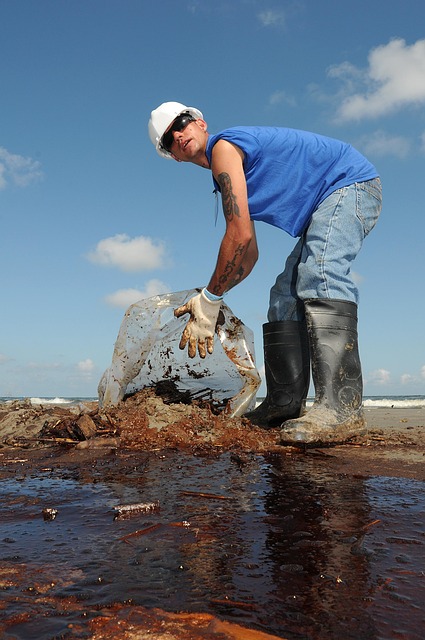
Sewage backup cleanup Denver is a complex process, especially when addressing severe mold growth. To prevent future mold issues, it’s crucial to understand that sewage extraction and drying Denver goes beyond initial cleanup. The key lies in thorough decontamination and restoration, treating not just visible areas but hidden pockets where moisture may linger. For instance, roof restoration Denver plays a vital role as roofs are common entry points for sewer backup, especially in older homes with worn-out flashing or gutters.
Colorado home sewage cleanup experts emphasize the importance of moisture content testing after any sewage backup event. This is because mold thrives in damp environments—a fact supported by studies showing that 40-60% of homes affected by sewer backups develop mold growth within a year if not properly dried. Professional extraction and drying services ensure areas like crawl spaces, attics, and walls are thoroughly dried, inhibiting mold spores from taking root.
In addition to sewage extraction and drying Denver techniques, proactive measures such as improving drainage around the home, repairing or replacing faulty plumbing, and installing water-proof barriers can significantly reduce the risk of future sewage backups. Regular inspections by experts can also help identify vulnerabilities before they lead to costly and unhealthy mold problems, ensuring a safer, more comfortable living environment for Denver residents.
After navigating the comprehensive guide on addressing severe mold issues stemming from sewage backups in Denver, readers are now equipped with a profound understanding of this intricate problem. The article has illuminated critical steps for immediate cleanup, effective mold removal techniques tailored to Denver’s environment, chemical-free alternatives, and restorative practices for homes affected by sewage flood damage. Moreover, it has underscored the importance of prevention through proactive measures to inhibit future mold growth from backups. By synthesizing these key insights, homeowners in Denver can confidently tackle sewage backup cleanup, ensure a safe living environment, and safeguard their properties from potential long-term damage. This authoritative piece serves as a reliable resource, empowering folks to take control of their situation with confidence and expertise.