
Post-sewage backup cleaning in Denver requires specialized equipment and techniques due to climate and storm risks. Professionals use advanced methods including water extraction, decontamination, and drying to prevent mold and health hazards. Key equipment includes high-pressure extractors, vacuum systems with HEPA filters, snake cameras, and robotic cleaners. Reputable services adhere to safety guidelines, using approved disinfectants and PPE. The structured process involves containment, water removal, assessment, disinfection, and discard of porous materials. Preventative measures include backflow devices, drain cleaning, and plumbing system upgrades. Timely action within 24-48 hours minimizes damage for Sewage Backup Cleanup Denver.
In the realm of urban maintenance, efficient sewage backup cleanup is a critical aspect of keeping communities safe and healthy, particularly in dense urban centers like Denver. When sewage backups occur, they not only cause substantial property damage but also pose significant health risks. This article delves into practical strategies to enhance post-sewage backup cleaning, focusing on methods proven effective in the challenging Denver environment. By exploring these solutions, we aim to empower professionals and residents alike to mitigate the impact of sewage backups, ensuring a cleaner, safer urban landscape.
- Understanding Post-Sewage Backup Challenges in Denver
- Essential Tools for Effective Sewage Backup Cleanup
- Step-by-Step Guide: Navigating Denver's Sewage Cleanup Process
- Best Practices to Prevent Future Sewage Backups in Denver Homes
Understanding Post-Sewage Backup Challenges in Denver
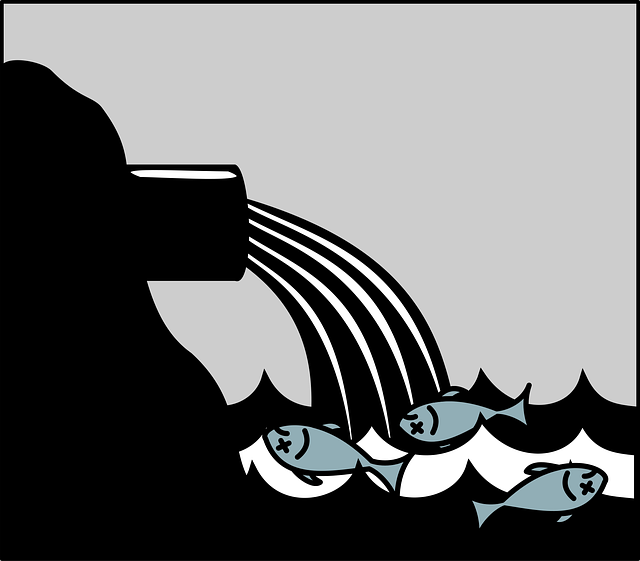
Understanding the unique challenges of post-sewage backup cleaning in Denver is paramount for effective restoration. The city’s climate, with its frequent storms and heavy rainfall, often leads to overwhelmed sewage systems, resulting in backups that can cause significant water damage to homes and businesses. In these situations, swift and professional action is crucial. Sewage backup cleanup Denver specialists are equipped to handle such emergencies, ensuring thorough decontamination and restoration.
One of the primary difficulties lies in the potential for extensive water damage renovation Denver properties may experience. Sewage contains a mix of water and hazardous materials, including bacteria, chemicals, and even toxic gases. When these backups occur, they can quickly saturate walls, floors, and personal belongings, leading to mold growth and health risks. For instance, according to a 2020 study by the Denver Water Board, severe rainfall events have increased by 35% in the last decade, exacerbating sewage backup incidents. This data underscores the growing need for efficient cleanup strategies and reliable sewage removal services near me, such as those offered by expert providers in Colorado Springs.
Professional sewage removal teams employ specialized equipment and advanced techniques to address these challenges. They begin with a thorough assessment to identify the extent of damage and contamination. Next, they implement a multi-step process: extraction of standing water, decontamination using disinfectants, and drying methods to prevent mold growth. For example, some companies utilize industrial-strength vacuums to remove excess water and high-efficiency particulate air (HEPA) filters to eliminate airborne contaminants. By combining these strategies, Denver residents can trust that their properties will be restored safely and effectively, minimizing the impact of sewage backup cleanup on their lives and investments.
Essential Tools for Effective Sewage Backup Cleanup
When facing post-sewage backup cleaning in Denver, the right tools are as crucial as skilled professionals. Effective sewage backup cleanup requires a comprehensive kit designed to address multiple aspects of the hazardous material removal process. In addition to specialized equipment, a deep understanding of biohazard cleanup protocols is essential for protecting both workers and surrounding environments.
For instance, high-pressure water extractors with adjustable settings are key for removing stubborn sewer debris without causing further damage. Advanced vacuum systems equipped with HEPA filters capture not only visible sediment but also microscopic pathogens, ensuring cleaner, safer results. For hard-to-reach areas, flexible, durable snake cameras and robotic cleaners offer precise navigation and real-time visual feedback.
Restoration services in Denver that specialize in sewage backup cleanup also rely on powerful disinfectants and deodorizers approved for biohazardous material to eliminate odors and prevent the growth of mold and bacteria. These products must be used with meticulous care, adhering to safety guidelines and wearing appropriate personal protective equipment (PPE). Reputable companies like those offering water damage restoration Denver reviews prominently feature biohazard cleanup as a core competency, underscoring their commitment to comprehensive, safe, and effective sewage backup cleanup solutions in the Denver area.
Step-by-Step Guide: Navigating Denver's Sewage Cleanup Process
Navigating Denver’s Sewage Backup Cleanup Process involves a meticulous step-by-step approach for effective restoration. First, immediately contain the affected area to prevent further contamination. Employ water extraction equipment to remove standing water, ensuring all visible evidence of sewage backup is eliminated. Next, conduct a detailed assessment using advanced moisture meters and air quality tests to identify hidden damage from both water and potential pathogens.
In cases of severe sewage backup in Denver, turn to expert professionals like Advanced Restoration Colorado, specialists in denver emergency water damage repair. They utilize state-of-the-art technology for comprehensive restoration, addressing not just visible damage but also restoring the underlying infrastructure. The process includes disinfecting surfaces and structures using industry-approved sanitizers, killing bacteria, viruses, and other harmful microorganisms.
Restoring after sewage backup in Denver requires careful decontamination and meticulous cleaning. For instance, porous materials like carpets and cushioning may need to be discarded due to the risk of persistent microbial growth. Meanwhile, hard surfaces like floors and walls can be disinfected and restored, preserving valuable items when properly handled. Remember, timely action is crucial; prompt intervention within 24-48 hours minimizes damage and health risks associated with sewage backup.
Best Practices to Prevent Future Sewage Backups in Denver Homes
Preventing future sewage backups in Denver homes is a multifaceted approach that combines proactive measures, proper maintenance, and swift action during emergencies. Given the frequent occurrence of sewage backup cleanup Denver residents face, adopting best practices can significantly reduce the risk and severity of such incidents. One effective strategy is installing backflow prevention devices to stop contaminated water from flowing back into the main supply lines. Regular inspection and cleaning of drains and sewer lines are equally crucial, eliminating blockages that could lead to backups. Homeowners should also be vigilant about what goes down their drains; avoiding disposal of grease, coffee grounds, and large food particles can prevent clogs.
For older homes, assessing and upgrading the plumbing system is essential. Older pipes may have defects or weaknesses that contribute to sewage backup. Working with reputable sewage backup cleanup Denver experts who offer sewer line inspection services using advanced technology like camera surveillance can pinpoint issues before they cause major problems. Promptly addressing any detected vulnerabilities through pipe lining, repair, or replacement can save homeowners from extensive damage and costly repairs.
In the unfortunate event of a sewage backup, immediate action is critical. The first step is to shut off the water supply at the main valve to prevent further contamination. Then, contact professional sewage backup restoration services Colorado providers who have experience handling such situations effectively. These specialists not only remove the standing water and contaminants but also decontaminate and dry out the affected areas to mitigate mold growth and health risks associated with smoke damage restoration Denver. Regular maintenance checks and upgrades, coupled with swift action during backups, can help Denver homeowners protect their properties from costly and disruptive sewage-related issues.
By delving into the intricacies of sewage backup cleanup in Denver, this article has underscored several crucial insights. Key tools and strategies, as outlined, offer effective solutions for navigating the complex process, ensuring comprehensive post-sewage backup cleaning. The step-by-step guide provides a practical roadmap, detailing the necessary actions for efficient cleanup. Moreover, best practices for prevention emphasize proactive measures, offering homeowners in Denver valuable guidance to avoid future sewage backup issues. Armed with this knowledge, residents can now take immediate steps to mitigate risks and maintain a safer, healthier living environment.