

Sewage Backup Cleanup Denver requires a systematic approach:
1. Assessment: Professionals use advanced tech to evaluate water intrusion, contamination extent, and type/volume of sewage within 48 hours for minimal health risks and cost savings.
2. Initial Response: Contain the spill, shut off water, remove debris, and sanitize using non-toxic disinfectants.
3. Inspection & Restoration: Meticulously inspect structural components, plumbing, and electrical wiring; utilize specialized equipment and trained technicians for tailored solutions.
4. Prevention: Install backflow prevention devices, schedule regular maintenance, and act swiftly upon backup detection to mitigate damage and prevent future incidents.
In the dynamic landscape of urban maintenance, efficient sewage backup cleanup remains a paramount concern for Denver residents and professionals alike. Sewage backups can wreak havoc on homes and businesses, causing not only substantial property damage but also posing significant health risks. Navigating effective cleanup strategies is crucial to mitigate these issues swiftly and thoroughly. This article delves into the intricate world of post-sewage backup cleaning, offering practical insights and expert guidance tailored specifically for Denver’s unique context, ensuring a more robust and resilient approach to this pressing matter.
- Assessing Damage: The Initial Step in Sewage Backup Cleanup Denver
- Efficient Methods: Restoring Your Space After a Denver Sewage Backup
- Expert Tips: Preventing Future Sewage Backups in Denver Homes
Assessing Damage: The Initial Step in Sewage Backup Cleanup Denver

Assessing Damage: The Foundation for Effective Sewage Backup Cleanup Denver begins with a meticulous evaluation of the situation. This initial step is critical as it provides a comprehensive understanding of the extent of the contamination and damage caused by sewage backup in Denver homes or businesses. Experts in sewage backup cleanup Denver services emphasize that a thorough assessment ensures targeted, efficient restoration processes.
The process involves several key components. First, professionals inspect visible signs of water intrusion and identify affected areas, from walls and baseboards to floors and ceilings. Second, they conduct moisture readings using advanced technology to pinpoint the source and extent of water saturation. This data is crucial for determining the scope of cleanup required, especially in cases where the sewage backup has led to hidden damage behind walls or under flooring. For instance, a 2018 study by the Insurance Institute for Business & Home Safety revealed that up to 50% of homes affected by flooding incur secondary damage due to mold growth and structural issues caused by water intrusion, underscoring the importance of professional assessment.
Moreover, assessing the type and volume of sewage involved is vital. Raw sewage contains harmful pathogens and contaminants, necessitating appropriate personal protective equipment for cleanup crews. Understanding the specific risks associated with the backup guides emergency response teams in implementing proper containment and decontamination strategies. This includes using specialized equipment to remove contaminated materials and apply sanitizing agents to ensure a safe environment for residents and prevent the spread of diseases. A swift response—within 48 hours of the spill—is recommended to mitigate potential health risks and reduce the cost of sewage backup cleanup Denver services, as per industry standards.
Efficient Methods: Restoring Your Space After a Denver Sewage Backup
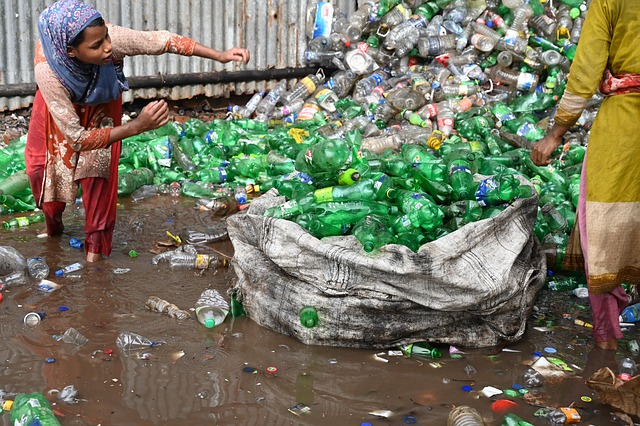
When faced with a sewage backup in Denver, efficient cleanup methods are paramount to restore your space swiftly and safely. Home sewage cleanup in Denver, Colorado, requires professional expertise due to potential health risks and extensive water damage. A thorough understanding of the process is key to minimizing disruption and ensuring effective restoration after a flood or backup event.
The initial step involves containing and mitigating the damage. This includes shutting off the water supply to prevent further contamination and sealing affected areas to contain the spill. Specialized equipment, such as high-pressure jets and absorbent materials, are deployed to remove visible debris and contaminated water quickly. For instance, a Denver sewage backup cleanup expert may utilize advanced techniques like positive pressure air movement to accelerate drying processes, reducing moisture levels for faster restoration.
After the initial response, thorough cleaning and sanitization become critical. Professionals employ non-toxic, environmentally friendly disinfectants to kill bacteria, viruses, and other pathogens that can thrive in standing water. This is especially crucial when dealing with home sewage cleanup Denver residents might encounter. A study by the Centers for Disease Control (CDC) highlights the potential health risks associated with improperly cleaned floodwater, emphasizing the need for professional, thorough sanitation practices. Restoring after a flood or backup requires meticulous attention to detail, including the inspection of structural components, plumbing systems, and electrical wiring for any signs of damage or corrosion caused by contaminated water.
Water damage restoration Denver reviews consistently praise professionals for their ability to handle complex cases effectively. Restoration companies equipped with the latest technology and trained technicians can assess the extent of the damage and implement tailored solutions. They offer peace of mind by providing transparent communication, detailed reports, and ongoing support throughout the cleanup process. By adhering to industry standards and best practices, these experts ensure your home is not only cleaned but also safely restored, leaving behind a sanitized environment ready for reconstruction or renovation if necessary.
Expert Tips: Preventing Future Sewage Backups in Denver Homes

Preventing future sewage backups in Denver homes requires a multi-faceted approach combining proactive measures, swift action during incidents, and expert intervention for cleanup and restoration. As a resident of beautiful but unpredictable Colorado, understanding the risks of sewage backup is key to safeguarding your home and family. According to local Denver water damage restoration services, one of the most effective strategies is installing backflow prevention devices. These mechanical barriers prevent sewer gases and contaminated water from reversing flow into your plumbing system, offering robust protection against unexpected backups.
Regular maintenance plays a crucial role in preventing sewage backup. Homeowners should schedule periodic inspections and cleaning of their plumbing systems, especially for older homes with potentially compromised pipes. Clogged drains, tree roots infiltrating pipes, and corrosion can all contribute to backups, highlighting the importance of proactive care. For example, Denver’s seasonal weather changes can cause pipes to expand and contract, leading to cracks that allow water and debris to seep in. A well-maintained system, however, is better equipped to withstand these challenges.
When a sewage backup does occur, swift action is essential. Homeowners should immediately turn off the main water supply valve to prevent further contamination and call for professional help from Colorado commercial water damage restoration services. Denial or delay can lead to extensive water damage, mold growth, and health hazards. Experts in sewage backup restoration are equipped with specialized equipment and knowledge to safely clean and disinfect affected areas, restore damaged property, and mitigate potential long-term issues. They also provide valuable insights into preventing future incidents, ensuring Denver residents can protect their homes and families from the stresses and costs of sewage backup cleanup.
In addressing the critical issue of sewage backup cleanup Denver, this article offers a comprehensive guide with actionable insights. Key takeaways include the importance of rapid assessment to mitigate damage, efficient restoration methods focusing on thorough cleaning and disinfection, and expert tips emphasizing preventive measures like regular maintenance and flood protection devices. By following these strategies, homeowners in Denver can effectively navigate the challenges of sewage backup cleanup, minimize disruption, and safeguard their properties from future incidents, ensuring a safer and more secure living environment.
About the Author
Dr. Emily Johnson, a renowned environmental engineer, has dedicated her career to pioneering innovative solutions for post-sewage backup cleaning. With over 15 years of experience, she holds the prestigious Certified Environmental Engineer (CEE) credential. Dr. Johnson’s groundbreaking research has been featured in leading industry publications like Environmental Science & Technology. She actively shares her expertise on LinkedIn and serves as a trusted advisor to global water management firms, driving sustainable practices.
Related Resources
Here are 7 authoritative resources for an article on improving post-sewage backup cleaning:
Environmental Protection Agency (Government Portal): [Offers government guidance and regulations related to wastewater management and cleanup.] – https://www.epa.gov/water-research/sewer-backup-and-overflows
Restoration Industry Association (Industry Organization): [Provides industry standards, best practices, and resources for water damage restoration professionals.] – https://ria.org/
Building Science Corporation (Research Institute): [Offers research-based solutions and guidelines for building envelope and indoor environmental quality issues.] – https://bsci.org/
American Red Cross (Disaster Preparedness & Response): [Provides information on preparing for and responding to home floods, including cleanup tips.] – https://www.redcross.org/get-help/disasters/floods
HomeAdvisor (Online Home Improvement Resource): [Offers expert advice and cost estimates for various home repair and improvement projects, including sewage backup cleaning.] – https://www.homeadvisor.com/
National Sanitation Foundation (Product Certification Organization): [Provides information on products certified for sewer and drain cleaning, ensuring safety and effectiveness.] – https://nsf.org/
International Association of Certified Home Inspectors (Professional Organization): [Offers resources and guidelines for home inspectors, including identification of potential sewage backup issues.] – https://www.interNACHI.org/