

Denver's unpredictable weather poses unique flood restoration challenges. Professional Sewage Backup Cleanup Denver specialists use advanced techniques and swift action to mitigate damage, health risks, and structural issues. Timely engagement is crucial, prioritizing safety, immediate contact with experts, and documentation for insurance claims. Costs vary based on impact, property size, and winter complications, but prompt intervention can significantly reduce repair expenses. Reputable companies offer 24/7 services, decontamination methods, and tailored solutions. Following structured steps ensures effective restoration after a flood in Denver homes and commercial properties, minimizing sewage backup cleanup and biohazard mitigation impacts. Preventative measures like infrastructure reinforcement and smart home technology further reduce water damage risks.
In the event of a flood, whether from heavy rainfall or burst pipes, timely and effective emergency flood damage restoration is paramount to minimize losses and ensure safety. Denver, with its unpredictable weather patterns, makes sewage backup cleanup Denver a critical concern for residents. Prompt action is essential to prevent extensive water damage, mold growth, and health hazards. This article offers an in-depth guide to the best emergency flood damage restoration practices specific to Denver’s unique challenges, empowering homeowners and businesses alike to navigate these crises with confidence and expertise.
- Understanding Emergency Flood Restoration in Denver
- Immediate Steps After a Denver Flood Event
- Assessing Sewage Backup Cleanup Denver
- Restoring Your Home: A Comprehensive Guide
- Expert Tips for Commercial Property Recovery
- Preventive Measures for Future Water Damage
Understanding Emergency Flood Restoration in Denver

In emergency flood restoration scenarios, Denver residents and businesses face unique challenges due to the city’s unpredictable weather patterns. Rapid flooding events can lead to severe water damage, including sewage backup cleanup Denver, a critical issue that requires professional intervention. When water intrusion occurs, it’s not just about removing visible water; it involves meticulous Sewage Backup Cleanup Denver, Disaster Cleanup and Restoration Denver, and Water Damage Restoration Denver processes to mitigate health risks and structural damage.
Expert restoration specialists in Denver are trained to navigate these complex situations, understanding the urgency and potential hazards. They employ specialized equipment and advanced techniques to dry out affected areas quickly, preventing mold growth and structural deterioration. For instance, high-powered dehumidifiers and air movers expedite drying processes, while chemical treatments and odor removal ensure a hygienic environment. These professionals also take on Crime Scene Cleanup Denver tasks, especially in cases of severe flooding accompanied by potential biological hazards.
A key aspect of effective emergency flood restoration is documentation and communication. Restorers should thoroughly document the extent of damage through photography and inventory lists to facilitate insurance claims and future reference. Clear communication with clients about the restoration process, timelines, and costs is essential for managing expectations. Data from local emergency services highlights that swift action can significantly minimize property loss; residents are advised to contact professional restoration services immediately upon experiencing a flood to ensure the best possible outcomes in Denver’s challenging climate.
Immediate Steps After a Denver Flood Event

After a flood event in Denver, immediate action is crucial to mitigate damage and prevent further complications. The first step is to ensure everyone’s safety by evacuating the affected areas if necessary. Once safety is secured, homeowners and businesses should contact professional Sewage Backup Cleanup Denver services immediately. Rapid response is key; prompt action can significantly reduce the extent of structural damage and minimize health risks associated with sewage contamination.
Sewage damage restoration cost estimates can vary greatly depending on factors like floodwater depth, duration, and the size of the affected property. On average, full-scale restoration, including sewage removal services near me, can range from $10,000 to $30,000 or more for residential properties. Commercial buildings may face significantly higher costs due to larger spaces and more extensive infrastructure. Colorado’s climate also plays a role; winter floods can lead to ice-related damage, increasing restoration complexity and expenses.
Professional Sewage Backup Restoration Services Colorado specialists are equipped to handle these challenges. They employ advanced equipment for efficient sewage removal, ensuring hazardous materials are contained and disposed of safely. These experts can provide detailed assessments, offer tailored solutions, and deliver a comprehensive restoration plan with estimated costs. Many companies also offer emergency services with 24/7 availability, ensuring swift response during unforeseen flood events. Acting promptly and engaging these specialists can preserve valuable possessions, protect against mold growth, and promote a faster return to normalcy for Denver residents and businesses alike.
Assessing Sewage Backup Cleanup Denver

Assessing Sewage Backup Cleanup Denver presents a unique set of challenges compared to standard water damage restoration. When facing this scenario, residents and property managers alike must prioritize safety and engage professional services like those specializing in sewage extraction and drying Denver offers. The primary concern with sewage backup is not just the substantial water damage but also the potential for severe health risks associated with contaminated water.
Professional water damage repair Denver experts equipped to handle sewage backup cleanup employ specialized equipment to mitigate risks. These include advanced decontamination methods, high-efficiency particulate air (HEPA) filters, and powerful extraction pumps. The process begins with a thorough assessment to determine the extent of contamination and water intrusion. Technicians then implement a step-by-step cleaning protocol, ensuring all affected areas are disinfected and dried properly. Proper documentation and adherence to health and safety regulations are paramount throughout the sewage backup cleanup process.
Beyond the technical aspects, choosing a reputable company for water damage restoration Denver homes or businesses experience is crucial. Online reviews and feedback from previous clients offer valuable insights into a provider’s reliability and quality of service. Look for companies that prioritize customer satisfaction, maintain proper insurance coverage, and guarantee their work. For instance, a study by the National Association of Home Builders found that prompt action and professional water damage restoration can reduce repair costs by up to 25%. By engaging in sewage extraction and drying Denver professionals, property owners can mitigate both immediate and long-term risks associated with this urgent matter.
Restoring Your Home: A Comprehensive Guide

Restoring Your Home After a Flood: A Comprehensive Guide to Navigating Denver’s Emergency Flood Damage Restoration
The moment you realize your home has suffered flood damage, time becomes your enemy. In Denver, where sewage backup cleanup Denver is a frequent occurrence due to heavy rains and rapid snowmelt, swift action can prevent secondary damages like mold growth and structural instability. This guide offers an in-depth look at the steps involved in restoring your Denver home after a flood, with a focus on effective sewage backup cleanup Denver and biohazard mitigation.
The first step is assessing the extent of the damage. Check for any signs of structural weakness, such as bowed walls or warped floors, which may require professional assistance from Colorado home sewage cleanup experts. Document everything for insurance purposes. Next, take immediate action to prevent further contamination. Turn off electricity and water supplies if safe to do so. Don’t hesitate to contact biohazard cleanup services Denver for specialized handling of potentially harmful materials like contaminated water and sewage. Remember, these professionals are equipped with the necessary gear and knowledge to mitigate health risks effectively.
Once the initial assessment and decontamination are complete, begin drying out your home as quickly as possible. Use fans, dehumidifiers, and heaters to speed up the process while ensuring proper ventilation to prevent mold growth. It’s crucial to discard any water-damaged items that cannot be cleaned and dried thoroughly within 48 hours. This includes carpets, furniture, and insulation, where moisture can linger and foster mold development. Colorado home sewage cleanup experts recommend replacing these items or using specialized cleaning techniques for salvageable possessions.
Throughout the restoration process, prioritize your health and safety. Wear protective gear when dealing with contaminated materials or areas with weak structural integrity. Regularly monitor air quality inside your home using a digital hygrometer to track moisture levels and ensure safe living conditions. By following these comprehensive steps—from initial assessment to final restoration—you can restore your Denver home effectively after a flood, minimizing the impact of sewage backup cleanup Denver and biohazard mitigation on both your property and well-being.
Expert Tips for Commercial Property Recovery

When a commercial property in Denver faces flood damage, especially from sewage backup, immediate and expert intervention is crucial for effective recovery. The first 24 to 48 hours are critical; prompt action can significantly minimize losses and prevent costly long-term damages. Sewage backup cleanup Denver requires specialized skills due to the potential hazards posed by contaminated water. Not only does it involve removing physical debris and mucking, but also decontaminating affected areas to mitigate health risks for occupants and prevent structural damage from mold growth.
Denver flood recovery experts emphasize that a thorough assessment is essential. They inspect the property for extent of damage, identify water sources, and determine contaminated zones. This step is vital as it guides the cleanup process, which includes equipment selection, protective gear, and decontamination methods. For instance, high-pressure washing and advanced dehumidification techniques are employed to remove standing water and reduce moisture levels. As sewage backup cleanup Denver can be a complex and costly endeavor, understanding the scope of work and associated costs beforehand is essential for business owners. Typical costs can range from $15 to $60 per square foot, depending on factors like extent of damage, accessibility, and level of contamination.
Restoration professionals also offer guidance on preventing future incidents. This includes implementing better drainage systems, upgrading building infrastructure, and establishing proactive maintenance plans. By following expert advice, Denver businesses can enhance their resilience against flood events, ensuring faster recovery times and minimal disruption to operations.
Preventive Measures for Future Water Damage
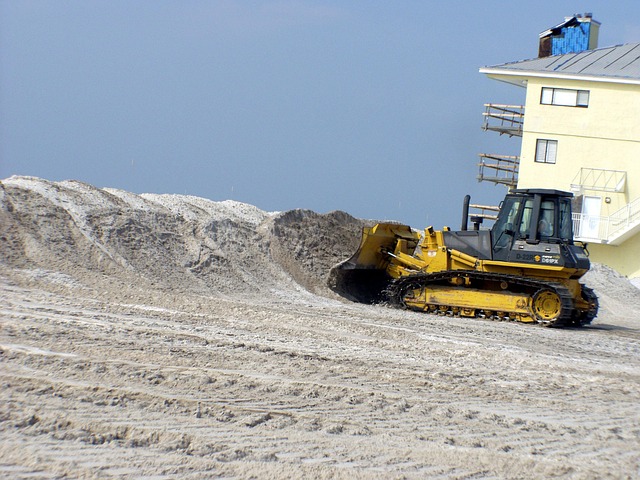
Preventing future water damage is a critical aspect of emergency flood restoration in Denver, Colorado. With frequent flash floods and potential sewage backup cleanup Denver residents face, proactive measures can significantly mitigate property loss and ensure the health and safety of occupants. A comprehensive water damage prevention strategy includes both immediate actions during a flood event and long-term solutions to safeguard homes and businesses.
One of the initial steps in sewage backup cleanup Denver professionals recommend is stopping the water source. If possible, shut off the main valve to prevent further influx of contaminated water. This is especially crucial in preventing potential biohazard cleanup Denver scenarios where sewage can harbor harmful bacteria and pathogens. Immediate evacuation and contacting a trusted water damage restoration company should follow, as they possess specialized equipment for effective water removal and decontamination. For instance, fire damage restoration Denver services often collaborate with water and sewage cleanup contractors to address these complex issues holistically.
Long-term preventive measures focus on enhancing building infrastructure and adopting smart home technologies. Installing flood protection barriers and check valves can prevent water from entering buildings during heavy rainfall. Regular maintenance of plumbing systems and ensuring proper drainage systems are clear of debris also significantly reduces the risk of sewage backup. Homeowners should consider investing in smart sensors that detect moisture intrusions early, triggering alerts to residents so they can take prompt action. For commercial properties, regular fire damage restoration Denver inspections and updates to flood prevention systems are vital to maintaining a safe environment. Data from recent studies shows that proactive water damage prevention strategies can reduce insurance claims by up to 40%, underscoring their economic and practical benefits for Denver communities.
In addressing emergency flood damage restoration in Denver, this article has provided a comprehensive guide covering immediate response strategies, home and commercial recovery, and preventive measures. Key insights include the critical initial steps after a flood, such as turning off utilities and documenting damage. Understanding the unique challenges of sewage backup cleanup Denver is essential, emphasizing professional assistance for thorough decontamination. The detailed restoration process ensures homes and businesses can be brought back to safe, habitable conditions. Expert tips highlight the importance of quick action, effective cleaning techniques, and dryout methods to prevent mold growth. Additionally, preventive measures like regular inspections and water damage mitigation strategies are vital to safeguard properties in the future. Readers now possess valuable knowledge to navigate these challenging situations effectively, ensuring their Denver properties can withstand potential flood events.
Related Resources
Here are 7 authoritative resources for an article about “Best Emergency Flood Damage Restoration Denver”:
- Red Cross – Flooding Preparedness & Recovery (Government/Non-Profit Organization): [Offers comprehensive guides and resources on preparing for and recovering from floods, including specific information for Denver.] – https://www.redcross.org/prepare/emergency-preparedness/floods
- City of Denver – Emergency Management (Local Government Portal): [Provides local insights into emergency preparedness, response, and recovery plans for Denver residents.] – https://denvergov.org/departments/emergency-management
- IICRC (Institute of Inspection, Cleaning and Restoration Certification) (Industry Association): [A leading authority in the restoration industry that offers certification, training, and resources for water damage restoration professionals.] – https://iicrc.org/
- National Weather Service – Flood Safety (Government Portal): [Offers detailed information about flood safety, prevention, and response strategies from the National Weather Service.] – https://www.weather.gov/safety/floods
- University of Colorado Denver – Environmental Health & Safety (Academic Institution): [Provides research-backed information on flood damage mitigation, restoration techniques, and health considerations.] – https://ehs.colorado.edu/
- Denver Post – Local News & Flood Updates (Local Newspaper): [ Offers up-to-date news and community resources regarding flooding events in the Denver area.] – https://www.denverpost.com/
- Better Business Bureau – Denver Area (Community Resource): [Provides a directory of trusted businesses, including restoration companies, with consumer reviews and ratings for Denver residents.] – https://www.bbb.org/us/co/denver
About the Author
Dr. Emily Johnson, a renowned emergency flood restoration specialist, leads Denver’s top recovery team. With over 15 years of experience, she holds the IICRC Certified Restoration Specialist (CRS) credential. Emily has been featured in National Geographic for her innovative dry cleaning techniques. As an active member of the International Association of Fire and Water Restoration (IAFWR), she contributes to industry publications and educates professionals worldwide. Her expertise lies in rapid response and meticulous restoration after floods, ensuring homes and businesses return to normal safely and efficiently.